
ESPHome released 2026.10.0b3 on 12 October 2026, bringing a correction to ESP32AliExpress price Bluetooth Low Energy connection tracking and a small RAM saving for some ESP8266AliExpress price builds. This is the third October beta, available for testing before the stable release. The useful changes concern specific firmware components, so they deserve a closer look before updating a working installation.
Quick summary
| Change | Who should pay attention? |
|---|---|
| ESP32AliExpress price BLE client connection tracking | Projects using ESPHome components that establish local BLE connections. |
| ESP8266AliExpress price ArduinoJson tables moved to flash | Builds that include JSON parsing; one reported configuration saves 156 bytes of RAM. |
| Release status | Beta 3, released 12 October; this is not the stable October release. |
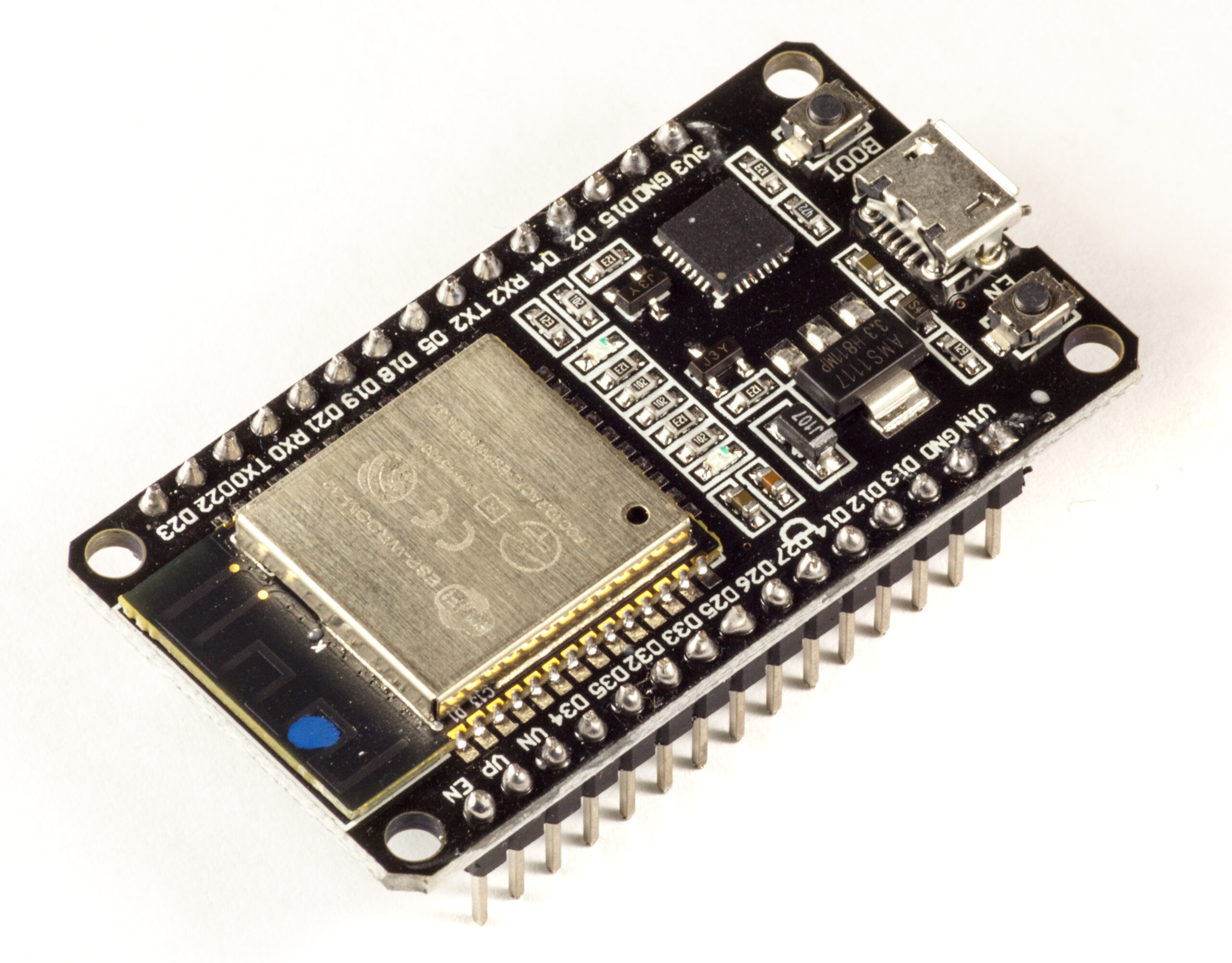
The ESP32 fix follows each connection attempt
The merged BLE client change addresses how ESPHome tracks a Bluetooth connection identifier. It resets the identifier when starting an attempt and takes the correct value from the successful open event. Previously, an identifier received while the client was idle could survive into a later attempt.
There was also an awkward case when opening a connection on a link that was already established: the client could miss the identifier it needed to recognise the close event. It then returned to its idle state only after a 10-second teardown timeout. The new bookkeeping handles that event sequence.
A failed connection could produce an error-level message even when the client recovered immediately. Beta 3 recognises that expected failure sequence while retaining the timeout that handles a missing follow-up event. This is a targeted correction; it does not establish that every Bluetooth device will reconnect faster.
Local BLE clients and Bluetooth proxies have different roles
ESPHome’s BLE client component manages connections used by other components to query or control peripherals. It does not create sensor entities by itself. Its documentation also warns that the Bluetooth stack uses substantial RAM, particularly when combined with audio or other demanding components.
A Home Assistant Bluetooth proxy is a different arrangement. The proxy documentation identifies bluetooth_connection as its internal active-connection backend. The new pull request targets esp32_ble_client, so this particular fix should not be described as a blanket upgrade to every proxy. Our ESP32 Bluetooth proxy board guide covers the separate hardware choice.
A modest, measurable saving for ESP8266
The beta also moves the ESP8266 Arduino framework to 3.1.2-esphome.3. A linker rule puts ArduinoJson’s floating-point parsing tables in flash, where they were intended to live, instead of occupying RAM. The developer attributes the original placement to how GCC 10 handles section attributes inside templates.
The reported example, an ESP8266 ratgdo garage-door build with web_server and api, uses 156 fewer bytes of RAM with unchanged flash use. A build without JSON parsing showed no change. That is useful reclaimed memory on a constrained controller, but it is a configuration-specific result, not a general reduction in ESPHome’s memory requirements.
Testing the beta on an existing project
The official beta instructions list ESPHome Device Builder (beta) for Home Assistant, the beta container tag and prerelease installation through pip. Installing a newer builder is separate from rebuilding and installing firmware on each node; running devices do not gain these changes merely because the build environment has changed.
Our recommendation is to start with a spare or non-critical node using the affected component. Keep its YAML and a known-working firmware build, then compare connection and disconnection behaviour using the same peripheral. Treat compiler output and observed behaviour as evidence for that project rather than a benchmark for the whole ESP32 family.
If the symptom is the node disappearing from Wi-Fi or Home Assistant, separate that from a BLE peripheral connection failure. Our ESPHome disconnect troubleshooting guide helps identify that layer. A healthy installation can wait for a stable release unless these fixes provide a clear reason to join the beta test.
Sources
- ESPHome 2026.10.0b3 release notes — 12 October 2026
- ESP32 BLE client fix and connection-event explanation
- ESP8266 Arduino framework change and reported RAM measurement
- BLE client component: purpose and memory limitations
- Bluetooth proxy component and its active-connection backend
- Official ESPHome beta installation guidance
.jpg)