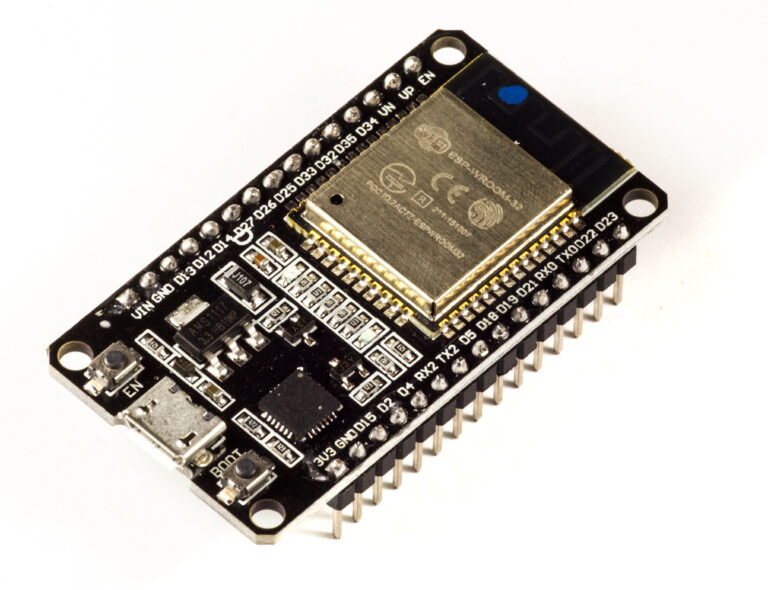
Home Assistant Core 2026.10.1, released on 10 October 2026, fixes two WLED integration problems and corrects the calibration range exposed for Matter thermostats. For ESP32AliExpress price lighting projects, the useful change is that Home Assistant can refresh a light’s colour capabilities when its LED configuration changes. This is a Core maintenance release; updating the WLED firmware is a separate operation.
Quick summary
| Area | What changes |
|---|---|
| WLED lighting | Refreshes colour modes after changes to the LED setup. |
| Ethernet-connected WLED | Stops creating irrelevant Wi-Fi diagnostic sensors on wired devices. |
| Matter thermostats | Chooses temperature-calibration limits according to the thermostat cluster revision. |
| Other fixes | Includes ZHA 2.3.1 and a generic-thermostat timing correction. |
WLED follows changes to the LED setup
Previously, Home Assistant determined a WLED light’s colour modes during setup. If the LED type or a segment’s reported capabilities changed later, the old modes could remain until the integration was reloaded. The merged fix detects relevant capability, LED-output and “CCT from RGB” changes and reloads the configuration entry.
The practical implication is fewer mismatches between the controls shown in Home Assistant and the lighting configuration reported by WLED. After changing an output or LED type, check the affected entities and an existing automation rather than assuming the dashboard has picked up the new capabilities.
There are still limits. The official WLED integration documentation requires WLED 0.14.0 or later and explains that a segment exposes one colour model. Mixed RGB and colour-temperature configurations do not gain independent RGB and CCT control from this patch. Features also depend on the actual WLED build and connected hardware. Our ESP32 RGBW controller guide covers the separate wiring and hardware choices.
Wired WLED devices get cleaner diagnostics
The second WLED correction prevents Wi-Fi signal, RSSI, channel and BSSID sensors being added to devices using Ethernet. Those entities previously had no useful value on a wired connection. If the device later switches to Wi-Fi, the relevant sensors can be created automatically.
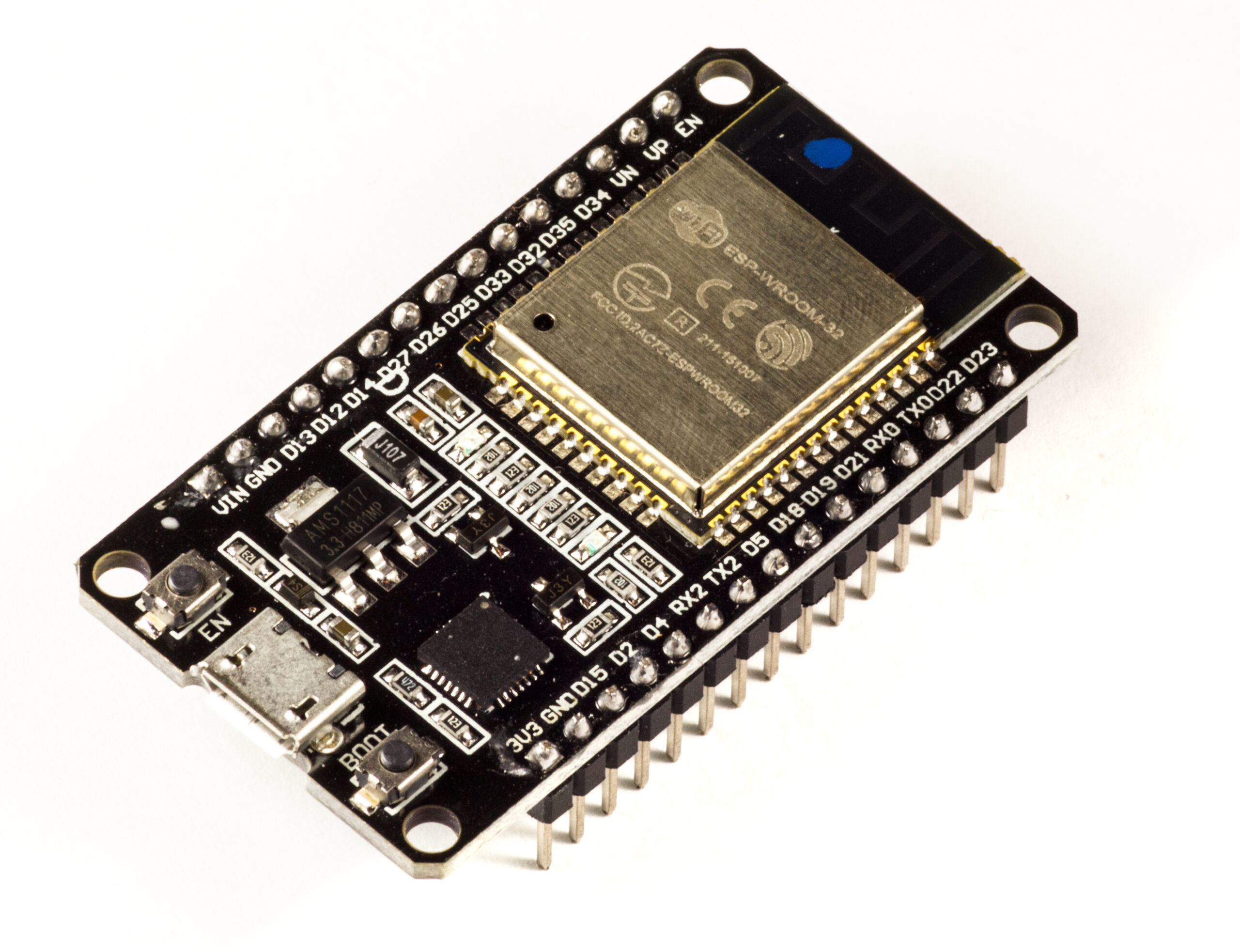
One limitation matters when checking an existing installation: sensors already registered remain. The change prevents inappropriate new entities; it does not promise to remove every old unknown sensor from the entity registry. An Ethernet-capable controller also needs the appropriate hardware and firmware configuration—an ESP32AliExpress price chip alone does not provide an Ethernet port.
Matter thermostat calibration becomes revision-aware
The Matter change selects the temperature-offset schema using the Thermostat cluster’s ClusterRevision. Revisions up to 6 use a calibration range of ±2.5°C. Revision 7 and above use ±12.7°C, matching the implemented storage bounds. If the revision cannot be read, Home Assistant applies the more conservative legacy range.
These are offsets for temperature calibration, separate from the heating setpoint. The practical lesson is to check the thermostat’s reported cluster revision and the limits shown for its entity. A newer controller or radio does not by itself change the appliance’s implemented Matter attributes.
Other fixes and a useful upgrade check
The patch also updates ZHA to 2.3.1 and fixes a generic thermostat rechecking too late after its minimum cycle or cooldown. These are targeted changes, so the release notes are more useful than assuming every integration has changed.
Before updating, make a current backup and confirm that you can access it independently of the running system. Our Home Assistant NAS backup guide explains that workflow. Afterwards, check one WLED colour command, your usual lighting automation and any affected thermostat entity. Our view: those checks provide a clearer result than simply confirming that the new version number appears.