Quick summary: BrainChip launched the AKD1500 Raspberry Pi 5 Development Kit on 29 October 2026. The US$1,295 bundle combines an 8GB Raspberry Pi 5Price with a pre-installed AKD1500 M.2 accelerator, a configured 32GB microSD cardPrice and a USB-C power supplyPriceAliExpress price. It is an in-stock evaluation kit for neuromorphic edge AI—not a new Raspberry Pi model—and the quoted price excludes tax.
What BrainChip includes in the kit
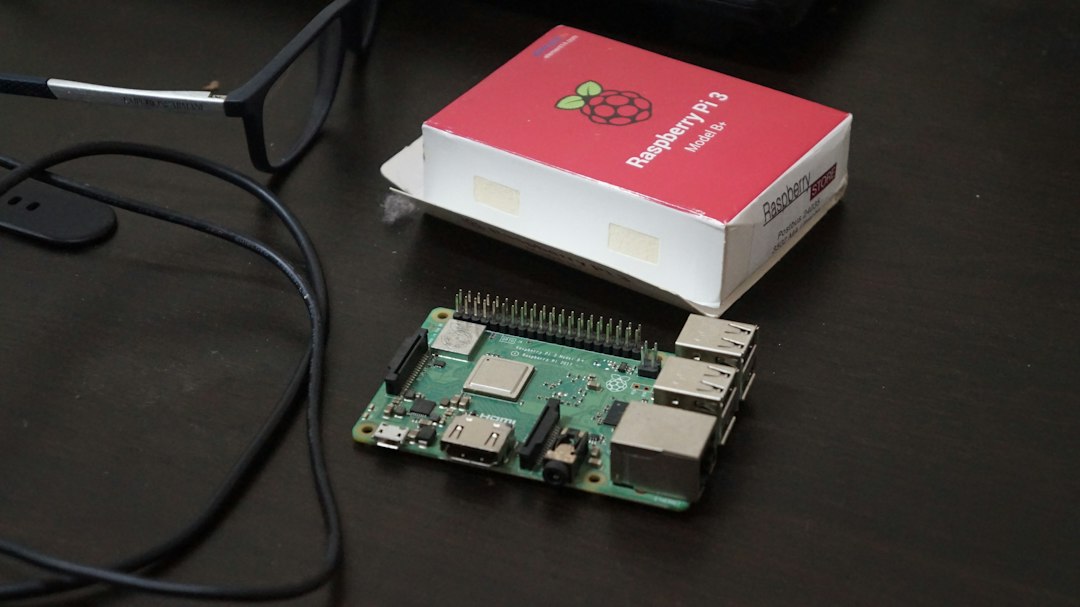
The host computer is a standard Raspberry Pi 5 with 8GB of LPDDR4 SDRAM, Broadcom’s 2.4GHz quad-core Cortex-A76 BCM2712 and VideoCore VII graphics. BrainChip adds its AKD1500 M.2 B+M-key board over PCIe, preloads the MetaTF software and demonstrations on a 32GB card, and supplies power.
The product page describes a browser-based quick start: the kit can expose an akida-devkit Wi-Fi network, or connect through Gigabit Ethernet and receive an address by DHCP. BrainChip positions it for object classification, anomaly detection, real-time inference and model deployment through Edge Impulse.
Chip, M.2 module and development kit are different products
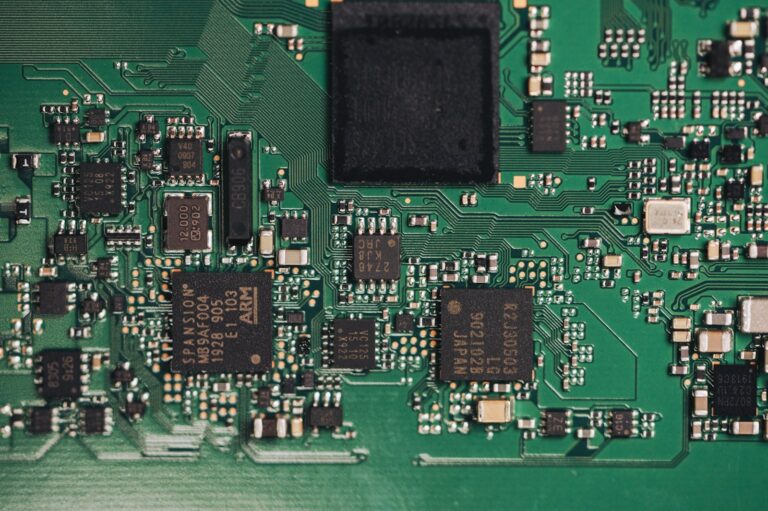
The AKD1500 is the 7 × 7mm neuromorphic co-processor. BrainChip’s M.2 board carries that chip and connects it to a host. The new development kit is the complete Raspberry Pi system containing both. Keeping those levels separate matters because the kit’s size, power use and US$1,295 price do not describe the production chip by itself.
BrainChip’s product brief specifies 1MB of local memory, PCIe Gen2 and low-power SPI interfaces, a 5–400MHz clock range and typical chip dissipation of 250mW at 400MHz. The company rates the device at up to 800 “effective GOPS”. Those are manufacturer figures for the accelerator, not independent benchmarks or whole-system Raspberry Pi power measurements.
Event-based processing and on-chip learning
AKD1500 uses BrainChip’s event-based Akida architecture, intended to avoid processing every unchanged sample in an always-on sensor stream. The chip also supports on-device learning, allowing an application to add classes such as a keyword, gesture or object without sending the training sample to a cloud service.
MetaTF supplies the software path: a model library, low-bit quantisation tools, conversion for Akida and the runtime interface. BrainChip says the tools and models are free through its Developer Hub. Its launch announcement says Docker images will be available for benchmarking and demonstrations, wording that should not be mistaken for confirmation that every planned container is already downloadable.
Where it fits—and where it does not
This is specialist evaluation hardware for teams that want to prototype continuous sensing, robotics, vision or anomaly detection on the same AKD1500 silicon they may later integrate through PCIe or SPI. It is not a general replacement for cheaper AI accelerators, nor does the launch provide comparative results against the Coral, Hailo and OpenVINO options discussed in our local-AI accelerator comparison.
Likewise, the included Raspberry Pi 5 makes the kit familiar, but the accelerator’s sub-watt positioning does not make the complete system a sub-watt computer. Buyers planning camera workloads should still evaluate model compatibility, memory limits and throughput against their own data; our Frigate hardware guide explains why accelerator choice alone does not determine end-to-end performance.
Price and availability
BrainChip’s store listed the AKD1500 Raspberry Pi 5 Development Kit as in stock at US$1,295 excluding tax when checked. The company has not published a UK-specific price; delivery, tax and import costs depend on destination. The high price makes this an engineering evaluation platform rather than an impulse purchase for a typical Raspberry Pi hobby project.
Sources
BrainChip launch announcement (29 October 2026)
BrainChip AKD1500 Raspberry Pi 5 Development Kit store page