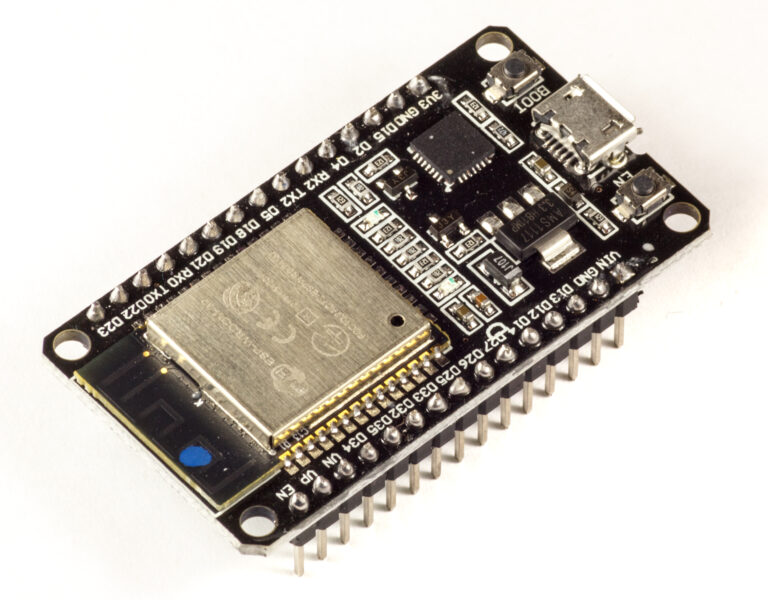
ESPHome 2026.10.0 became the stable October release on 21 October 2026, adding compressed over-the-air firmware transfers for ESP32PriceAliExpress price and the other supported non-ESP8266PriceAliExpress price platforms, while making the project’s native ESP8266PriceAliExpress price toolchain the default. The release also brings around 20 new components, but several configuration changes deserve attention before a fleet-wide update.

Quick summary
- ESP32 OTA uploads can now use a compressed transfer, with ESPHome reporting roughly one-third fewer bytes sent over the network.
- ESP8266 builds now use ESPHome’s native Arduino toolchain by default; the first build after upgrading will be a clean build.
- New integrations include USB-to-UART and TCP-to-UART bridges, Wi-Fi motion sensing, a persistent counter and Sensirion’s STCC4 CO₂ sensor.
Smaller OTA uploads for ESP32
The ESP8266 already had gzip-aware OTA support. ESPHome 2026.10 extends compressed transfers to ESP32, RP2040, LibreTiny and the host platform. On ESP32, LibreTiny and host targets, the device inflates a raw deflate stream as it arrives, using a 4 KB window.
ESPHome says a firmware image crosses the network using about one-third fewer bytes. That can shorten updates on slow Wi-Fi, Thread, mesh or VPN links, but it should not be mistaken for a one-third reduction in the firmware stored in flash. Client and device negotiate compression automatically; older firmware or clients continue with an uncompressed upload. The integrity check covers the expanded image, and a device that cannot allocate the roughly 4.9 KB decoder session falls back to an uncompressed transfer instead of rebooting.
This is a software capability, not a new feature exposed by every ESP32 board. The board still needs a working ESPHome configuration and enough resources for its existing OTA path. ESPHome’s published transfer figures are project measurements rather than independent testing.
ESP8266 builds move to a native toolchain
ESPHome’s own native Arduino toolchain is now the default for ESP8266 builds. It supplies native compiler packages for Linux, Windows and both Intel and Apple Silicon macOS, removing the Rosetta requirement on recent Macs and feeding clearer Ninja progress information to Device Builder.
In ESPHome’s M5 Max testing, one cold compile fell from 17.8 seconds to 9.2 seconds and a one-line rebuild fell from 20.7 seconds to 9.6 seconds. Actual results will depend on the host and configuration. Users with an unsupported board, custom framework source or another special case can temporarily select toolchain: platformio, although ESPHome says that compatibility route is deprecated and is planned for removal in 2027.4.0.
New components, not new boards
The release adds roughly 20 components and platforms. Highlights include the ESPectre Wi-Fi motion component, Sensirion STCC4 CO₂ sensing, ICNT86 touch-controller support, a persistent counter, USB CDC-ACM and TCP UART bridges, and a UART multiplexer. There is also broader Zigbee cluster coverage, device-side Home Assistant onboarding and browser flashing across every chip family supported by Device Builder.
These additions do not make every function available on every ESP32 module or development board. Builders still need to check the chosen component’s platform requirements, pins, memory needs and framework support.
What to check before upgrading
- Lights with
initial_statenow follow that setting at boot, so verify the intended power-up behaviour. - The former
codec_support_enabledspeaker option no longer validates; ESPHome documentsformat: NONEfor retaining the previous behaviour. - Sendspin now encrypts every connection and requires a sufficiently recent Music Assistant release.
- Some custom infrared and RF external components may require code changes already detailed in our ESPHome 2026.10 migration report.
The stable release also incorporates the later beta fixes we covered for MQTT and live web connections, alongside the earlier BLE tracking and ESP8266 memory work. For a production installation, back up the configuration and test a representative device before rolling the update across a larger group.
Availability
ESPHome 2026.10.0 is a stable release, not a beta. It is available through ESPHome’s normal release channels, with the tag marked as the latest release on GitHub. There is no hardware price or shipping status associated with this software update.