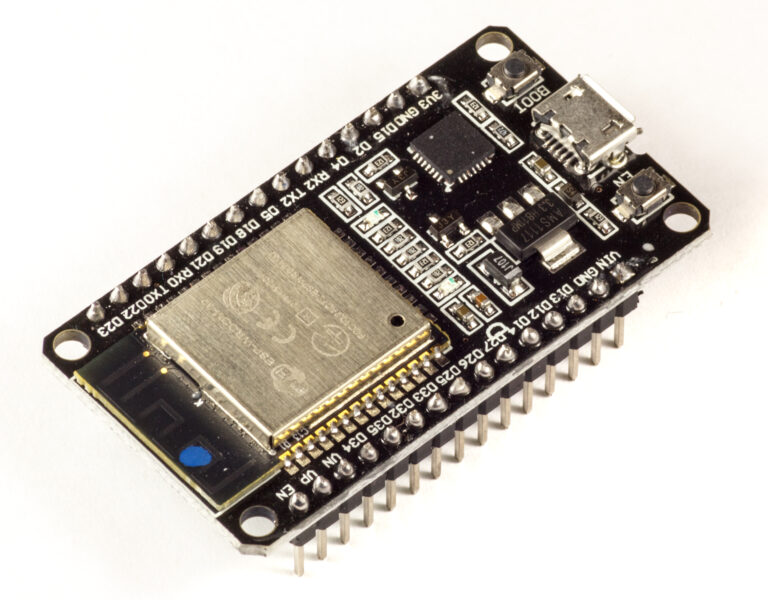
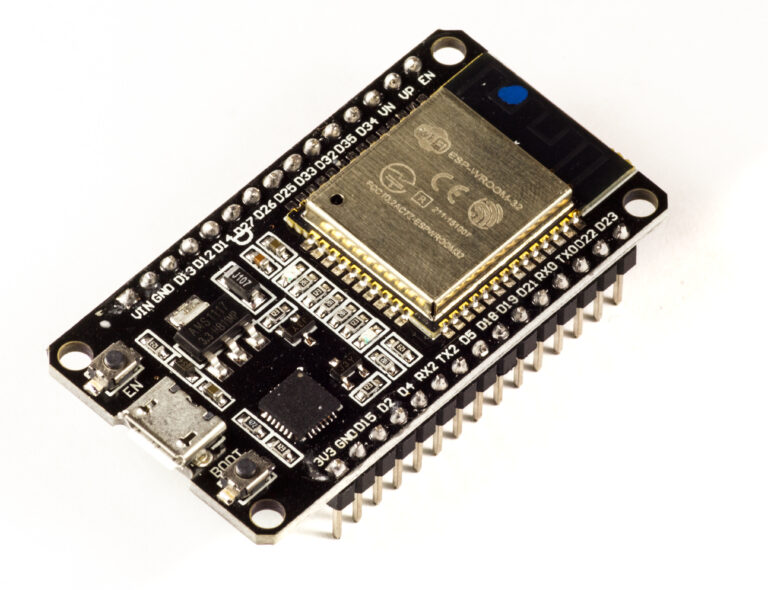
ESPHome has released 2026.10.0b5, a pre-release build published on 19 October 2026, with fixes for an ESP32 MQTT crash and live web-page disconnections, plus richer USB-serial identity reporting. It remains a beta, not the finished October stable release.
Quick summary:
- MQTT topic matching now uses a loop, addressing a reported ESP32 crash with long subscription topics.
- The ESP-IDF web server protects active browser event streams from socket eviction.
- USB serial proxies report two additional identity fields; these are metadata, not new YAML device-selection options.
A targeted fix for long MQTT topics
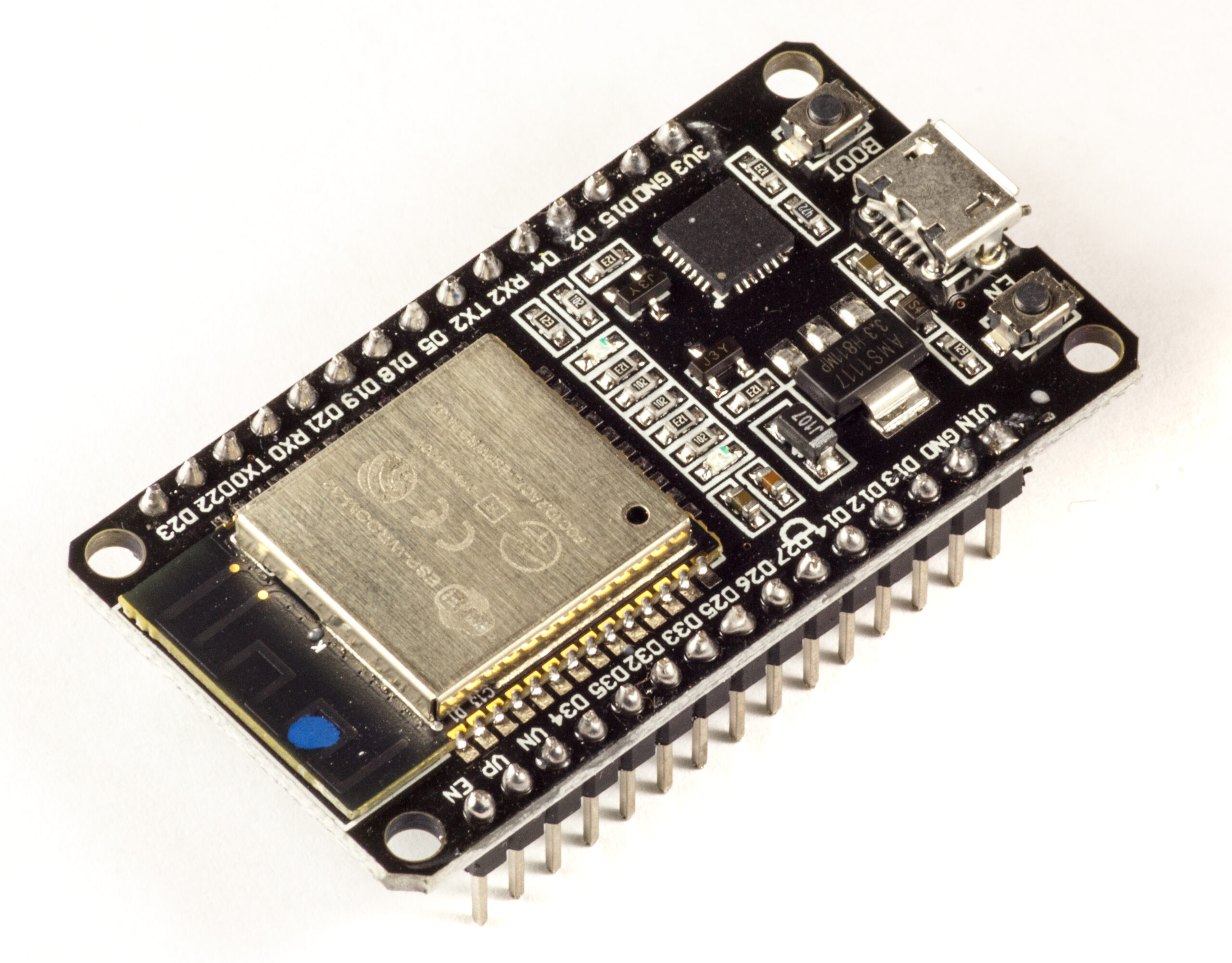
The merged MQTT fix replaces a recursive topic-matching function with an iterative version. The developer reported reproducible crashes on an ESP32 when messages arrived on long, literal on_message topics of roughly 250 characters. Previously, matching consumed another function call for each character.
The report links the failure to stack consumption on the ESP32’s windowed Xtensa calling convention. The replacement walks the strings in a loop while preserving matching behaviour. This is a device-side fix, not a change to an MQTT broker or a claim that every ESP32-family chip suffered the same failure.
For installations using short topics, the practical benefit may be small. Anyone reproducing this particular crash has a concrete change to test. Our ESPHome Native API versus MQTT guide explains the wider connection choices; this patch is not, by itself, a reason to change protocols.
Why several browser tabs could disconnect each other
The web-server correction concerns server-sent events, the long-lived connection used to deliver live updates to a device’s web interface. With several browsers connected, an active stream could look old to ESP-IDF’s least-recently-used socket management because it mostly sends data rather than receiving new requests.
When available sockets ran out, the server could evict that live stream ahead of an idle keep-alive connection. Reconnecting browsers could then repeatedly knock one another offline. The fix refreshes the activity record for live streams, without protecting streams that have stalled or closed.
This specifically concerns the web_server_idf implementation. It should not be read as a universal fix for Wi-Fi drop-outs, router problems or every ESPHome web-server backend.
USB identity becomes more useful to client software
The USB UART change adds interface_class and port_number to the USB identity reported by a serial proxy. Client software can use these alongside the existing interface number to distinguish Linux-style serial-port naming, including the difference between -if00 and -if00-port0 suffixes.
These additive fields have zero defaults, preserving wire-format compatibility. They are not new YAML selectors, nor an announcement of blanket support for additional adapters. The change also corrects which interface is reported for CDC-style CH34x devices, something existing client implementations may need to account for.
USB UART still needs a supported USB-host-capable chip and suitable board connections; a USB programming socket alone does not establish compatibility. ESPHome’s beta documentation also continues to mark Serial Proxy as experimental.
Who should try beta 5?
The release notes additionally raise the recommended ESP-IDF version to 5.5.6. Separate compatibility fixes mention ESP-IDF 6.1; that does not mean 6.1 has become the recommended framework.
Compared with our earlier beta 3 coverage, these are distinct fixes worth checking on affected installations. A sensible test is a non-critical node with a saved configuration and a known working firmware image. Users without a relevant fault or a beta-testing requirement can stay on the stable channel. We have not independently tested this build.