
Espressif has published a detailed account of how its ESP RainMaker cloud, mobile app and SDK can sit around a Matter Fabric to give device brands their own accounts, app experience and remote control. The 30 October 2026 briefing is a current architecture guide, not the launch of Matter Fabric support: Espressif first announced that capability on 9 August 2023.
Quick summary: RainMaker keeps Matter’s local interoperability while adding cloud-managed users, device lifecycle tools, certificates and remote access through a controller in the home. Teams can use RainMaker as the whole IoT cloud or add its Matter modules to an existing business cloud. Espressif provides a public evaluation path, but commercial API pricing has not been published.
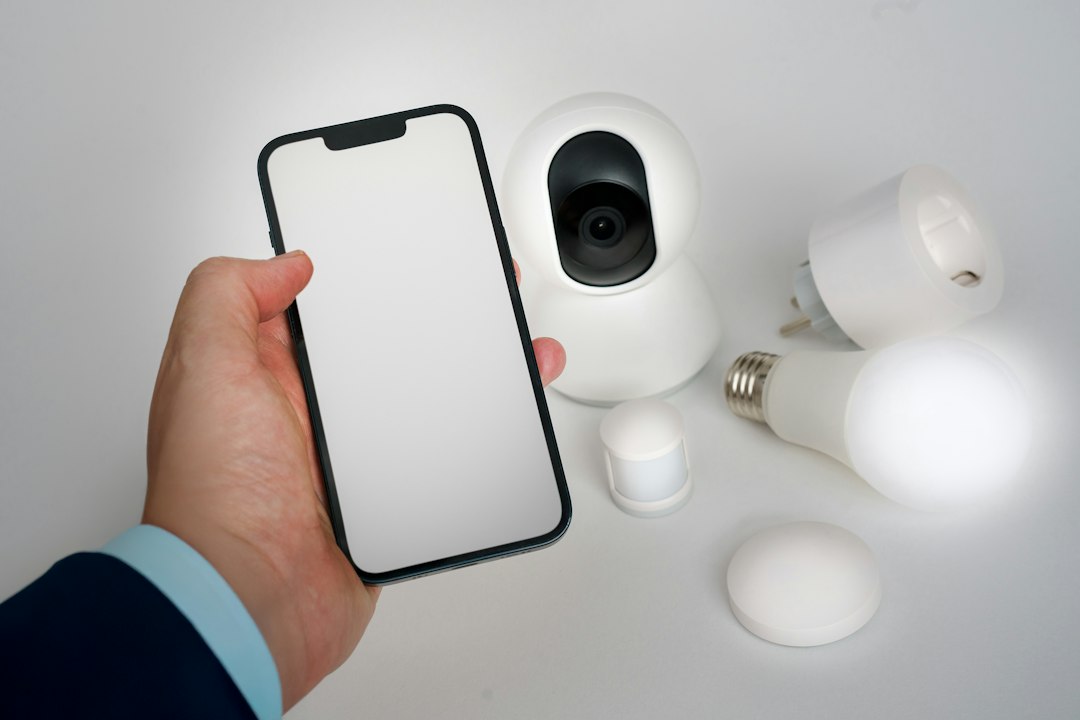
What RainMaker adds around local Matter control
A Matter Fabric is the trusted local group that contains devices, commissioners and controllers. Multi-Admin allows one device to join more than one Fabric, so a product can remain in a manufacturer’s app while also being used through another compatible ecosystem.
RainMaker attaches that local Fabric to a cloud account. Espressif says its cloud parses Matter clusters and attributes into a human-readable Thing Model, manages Fabrics for individual users and can issue the Node Operational Certificates used when devices join. Its open-source React Native ESP RainMaker Home app handles commissioning over Bluetooth Low Energy or a QR code, LAN control and remote control through a cloud-connected controller.
| Part of the stack | Role |
|---|---|
| Matter Fabric | Secure, local communication and interoperability across the home network |
| RainMaker cloud | User isolation, device lifecycle, Fabric management, PKI and a readable Thing Model |
| In-home controller | Local control plus the persistent cloud connection used for commands from outside the home |
| App and SDK | Commissioning, Fabric sharing and a starting point for a branded mobile experience |
For makers, the important distinction is that Espressif is describing a cloud-and-app architecture, not a new ESP32 development board or a new revision of Matter. The controller examples include ESP32-P4 touch-panel hubs and ESP32-S31 voice speakers, but that does not mean every board based on those chips exposes the same features.
Two routes for product teams
The first route is unified management on ESP RainMaker. Matter and non-Matter products use the same RainMaker backend, with Espressif’s mobile apps, voice-assistant integrations and device firmware SDKs available as building blocks.
The second route is cloud-to-cloud integration. A company that already operates its own IoT service can use RainMaker modules for Fabric management, certificate issuance and Matter protocol parsing without replacing the rest of its backend. The optional Matter Fabric Interface exposes authenticated operations to list devices and read, write or invoke them. Espressif asks prospective users to contact the company for access; it has not stated public pricing for this commercial interface.
Thread and OTA claims need careful reading
Matter-over-Thread products still require a Thread Border Router. Espressif says TBR support can be enabled in its matter_controller example, allowing a supported hub configuration to act as both controller and border router. Readers choosing hardware can compare the radio capabilities in our ESP32 Matter, Thread and Zigbee guide, while our ESP32-C6 Matter-over-Thread setup guide explains the separate jobs performed by an end device and a border router.
Espressif also says products already deployed without Matter can be upgraded over the air, with RainMaker delivering Device Attestation Certificates and onboarding payloads. That is a platform capability, not a guarantee for arbitrary hardware: a product still needs suitable silicon, memory, security provisioning and upgradeable firmware. Nor does this announcement add automatic ESPHome support to an existing device.
How developers can evaluate it
The public RainMaker instance is available for evaluation. Espressif’s suggested route is to install ESP RainMaker Home, flash the wifi_matter_light example from ESP Launchpad to a supported board, then test commissioning, Fabric management and local control. The matter_controller example is optional when remote access is required without leaving a phone on the home network.
That makes the update most relevant to product teams building a branded Matter ecosystem rather than hobbyists seeking another general-purpose dashboard. For a broader look at Espressif’s cloud offering, see our ESP RainMaker Neo overview.