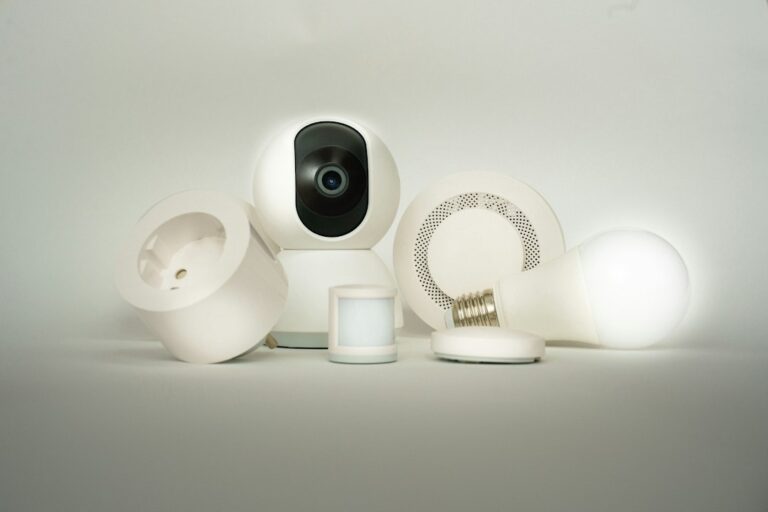
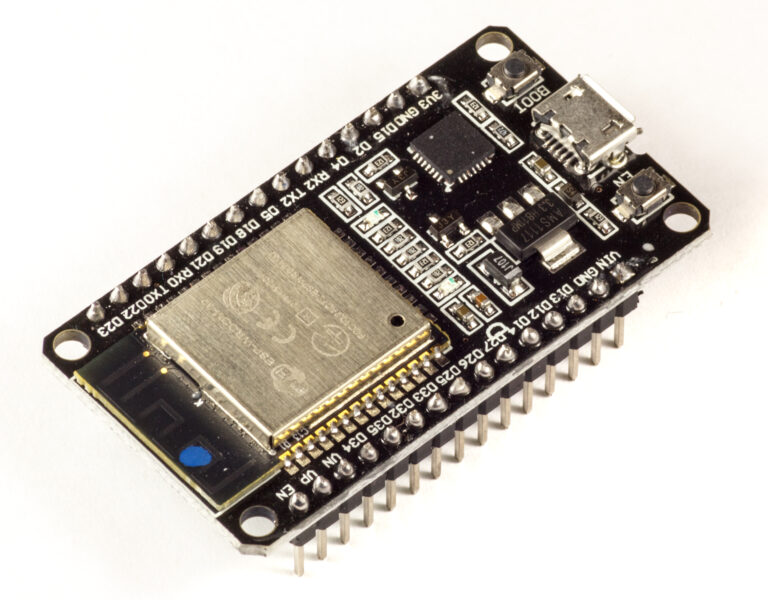
Quick summary: Home Assistant Core 2026.11.2 was released on 16 November 2026 with targeted fixes for Hue Zigbee migrations, MQTT reload behaviour, Reolink NVR playback and several cases where diagnostic or log data could reveal configuration details. It is a maintenance release rather than a feature update, but it addresses faults that can disrupt busy smart-home installations.
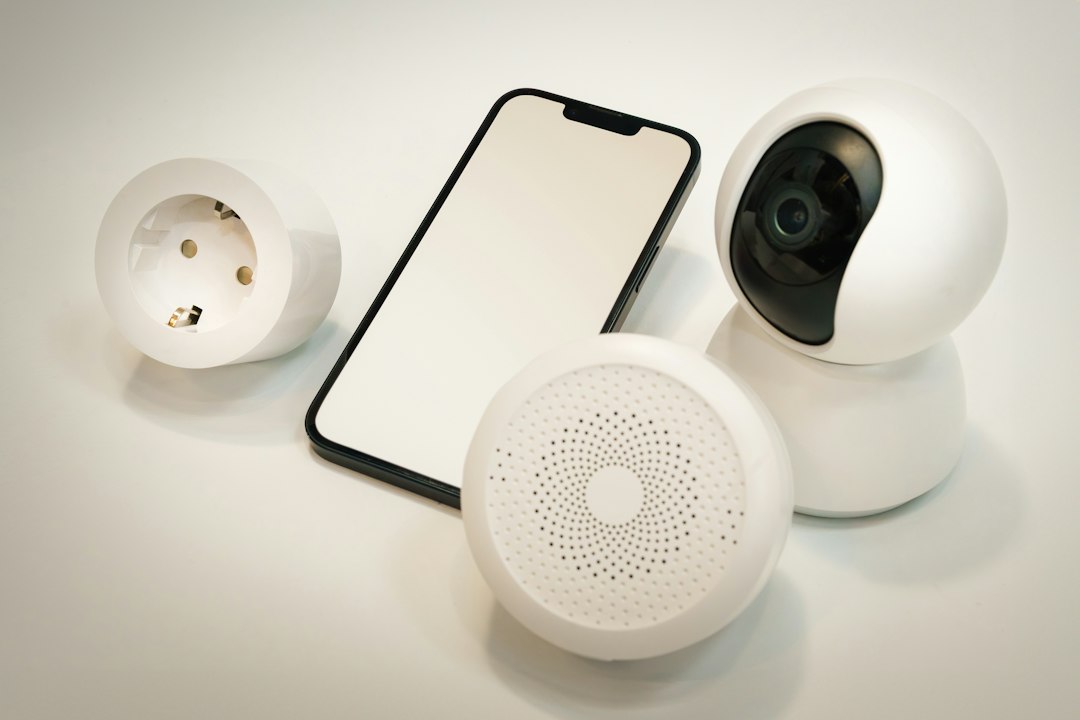
The second patch for November’s unusually large Home Assistant release is now available. Its change list combines integration repairs with dependency updates, concentrating on problems that surfaced after Home Assistant 2026.11 introduced the Marketplace, local-drive backups and new radio options.
Hue and MQTT fixes matter beyond the changelog
For Philips Hue users, 2026.11.2 fixes a migration failure affecting multi-channel Zigbee devices. This is a specific repair to Home Assistant’s Hue migration path; it should not be read as a blanket change to Zigbee support or to every Hue device. Owners who encountered the affected migration now have a direct reason to take the patch.
MQTT receives three closely related corrections. Home Assistant should no longer enter a reload loop when a disabled entity duplicates another entity’s unique ID. The release also repairs an unsubscribe callback after an MQTT configuration entry is reloaded and ignores a device that incorrectly refers to itself through via_device.
Those changes are particularly relevant to installations with many discovered MQTT entities, where a single malformed or duplicated identifier can otherwise produce repeated reloads and noisy logs. They do not change the MQTT protocol or guarantee that invalid third-party discovery payloads will work; they make Core handle these edge cases more safely.
Camera and media integrations get a broad clean-up
Reolink playback is fixed for NVRs and Hubs through an updated reolink_aio dependency. The ONVIF integration will avoid subscribing to webhook notifications when no callback URL is available, and it now retries fetching a stream URI after a failure. Axis camera users get fixes for basic authentication and stream clean-up when the integration unloads.
LG webOS televisions also receive several corrections: Home Assistant should not mark a television unavailable simply because the TV resets its connection, the volume control is hidden when the television reports that it is unsupported, and device information is refreshed when the TV connects. Jellyfin’s media source should once again show albums when browsing an artist.
Diagnostics and security changes
Several less visible changes improve the handling of sensitive data. Solar-Log passwords are now redacted from diagnostics, while the Alexa Devices integration redacts account identifiers and avoids replaying the previous voice command after a reload. A Core helper used by integrations has also been changed so that configuration values are not written to logs when an empty configuration schema is used.
The release notes additionally label the upgrade to aioftp 0.28.3 as a security update. Home Assistant has not attached a CVE number or severity assessment to that changelog entry, so it would be premature to infer the scope of the issue from the release note alone.
What Home Assistant users should know
Home Assistant 2026.11.2 is a patch release: it adds no headline feature and does not replace the larger 2026.11 release notes. Users affected by Hue migration failures, MQTT reload loops, Reolink playback faults or the listed camera issues have the clearest case for updating. As with any Core update, a current backup and a review of the full change list remain sensible before installation.
The previous Home Assistant 2026.11.1 patch dealt with a different set of issues, including HomeKit cameras, Shelly devices and ESPHome Bluetooth proxies. The new 2026.11.2 repairs are separate and cumulative for users moving directly from the original 2026.11 release.