
Quick summary: The open-source HomeAssistant-PWM-Fan-Controlx4 project added a complete English and Chinese wiki on 9 November 2026. Its controller board runs ESPHome, drives four 4-pin PWM fans independently and reads each fan’s tachometer output; v2.0 firmware can also use up to four DS18B20PricePriceAliExpress price probes for local temperature-based control. The fresh development is the documentation release, not the original launch of the hardware.
The new guide brings together firmware selection, first-time setup, Home Assistant integration, local temperature control, the HTTP API, hardware files and troubleshooting. That matters for a board aimed at NASPriceAliExpress price enclosures and network cabinets, where choosing the wrong firmware or assuming USB-C can power the fans could leave a build unusable.
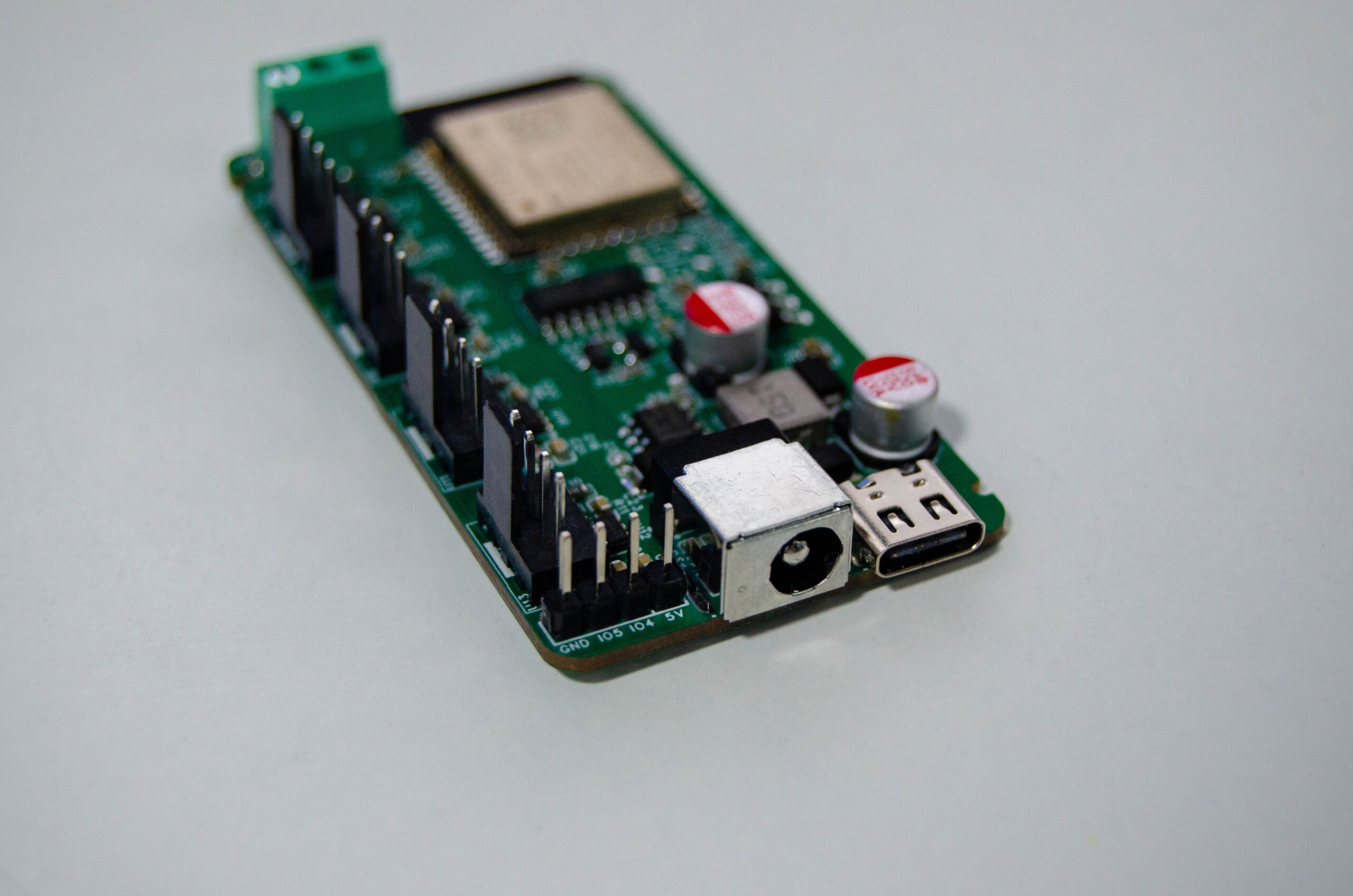

Four fans, four RPM inputs and real power-off
This is a complete third-party controller board built around ESP32 hardware, not a new Espressif chip or module. Each of its four headers provides PWM speed control from 1–100%, while separate tachometer inputs expose the measured RPM. The design also assigns a TPS22810 load switch to each channel, so a stopped fan can have its supply disconnected instead of continuing to turn at a low duty cycle.
Those functions combine several building blocks that makers often wire separately. Our ESP32 fan RPM and tachometer guide explains the feedback signal, while the project packages four channels and their power switching onto one PCB.
Local temperature control does not need Home Assistant
The v2.0 DS18B20AliExpress price firmware supports as many as four probes on a single 1-Wire bus connected to GPIO14. Each fan can be bound to one of the four temperature readings. At or below the configurable minimum temperature it powers off; between the minimum and maximum it follows a linear speed curve; at or above the maximum it runs at the configured ceiling. The documented defaults are 30°C and 50°C.
Crucially, that loop runs on the ESP32 itself. Home Assistant can expose the fan, RPM, temperature and configuration entities, but cooling continues locally if the home-automation server is offline. A built-in web panel and HTTP REST API provide two further local control paths. Readers planning longer probe runs should also check our ESPHome DS18B20 multi-sensor wiring guide.
Other documented firmware features include OTA updates, diagnostic entities and an ESPHome Bluetooth proxy. A separate v2.0 image adds an LD2402G 24GHz presence-radar interface over GPIO4 and GPIO5, but that option should not be confused with a standard feature of every board or firmware build. The project remains independent of the additions covered in our ESPHome 2026.11 beta report.
Firmware and power caveats
The repository offers v1.0 dual-core and single-core images plus v2.0 Basic, DS18B20 and DS18B20-plus-radar builds. Its warning is unusually important: finished devices generally use a single-core design and must not be flashed with the v1.0 dual-core image, which the maintainer says will prevent them from booting.
Normal fan operation requires a 12V DC supply rated at 2A or more, according to the guide. USB-C supplies 5V for flashing and debugging only; it does not power the fans. Builders should still total the starting and running current of their chosen fans rather than assume 2A is sufficient for every four-fan combination.
Open files now; retail availability is less certain
The GitHub repository publishes ESPHome configurations, Gerbers, bills of materials, the PCB project and STEP enclosure files under the project’s MIT licence. Pre-built firmware is generated through GitHub Actions in standard, factory and OTA forms.
CNX Software reported on 13 November that a finished board was listed on Tindie for US$28 before shipping. The seller page was not reliably reachable during our checks, so current stock, final UK pricing, tax and delivery time remain unconfirmed. The source files and documentation are available now; buyers should verify the live listing before ordering.