
Home Assistant OS 18.4 RC1, released on 20 October 2026, targets Raspberry Pi USB-storage failures and a Realtek VLAN regression introduced around 18.3. It also adds signed checksum manifests for release images. The important qualifier is in the name: this is a release candidate, not the stable 18.4 build.
Quick summary:
| Area | Verified change |
|---|---|
| Release status | 18.4 RC1, published 20 October 2026; still a pre-release |
| Raspberry Pi storage | Targeted UAS workarounds for two ASMedia USB-to-storage bridges |
| VLAN networking | Kernel fix for Realtek transmit timeouts under specific VLAN/offload conditions |
| Image verification | SHA-256 manifest plus a Sigstore bundle for Cosign verification |
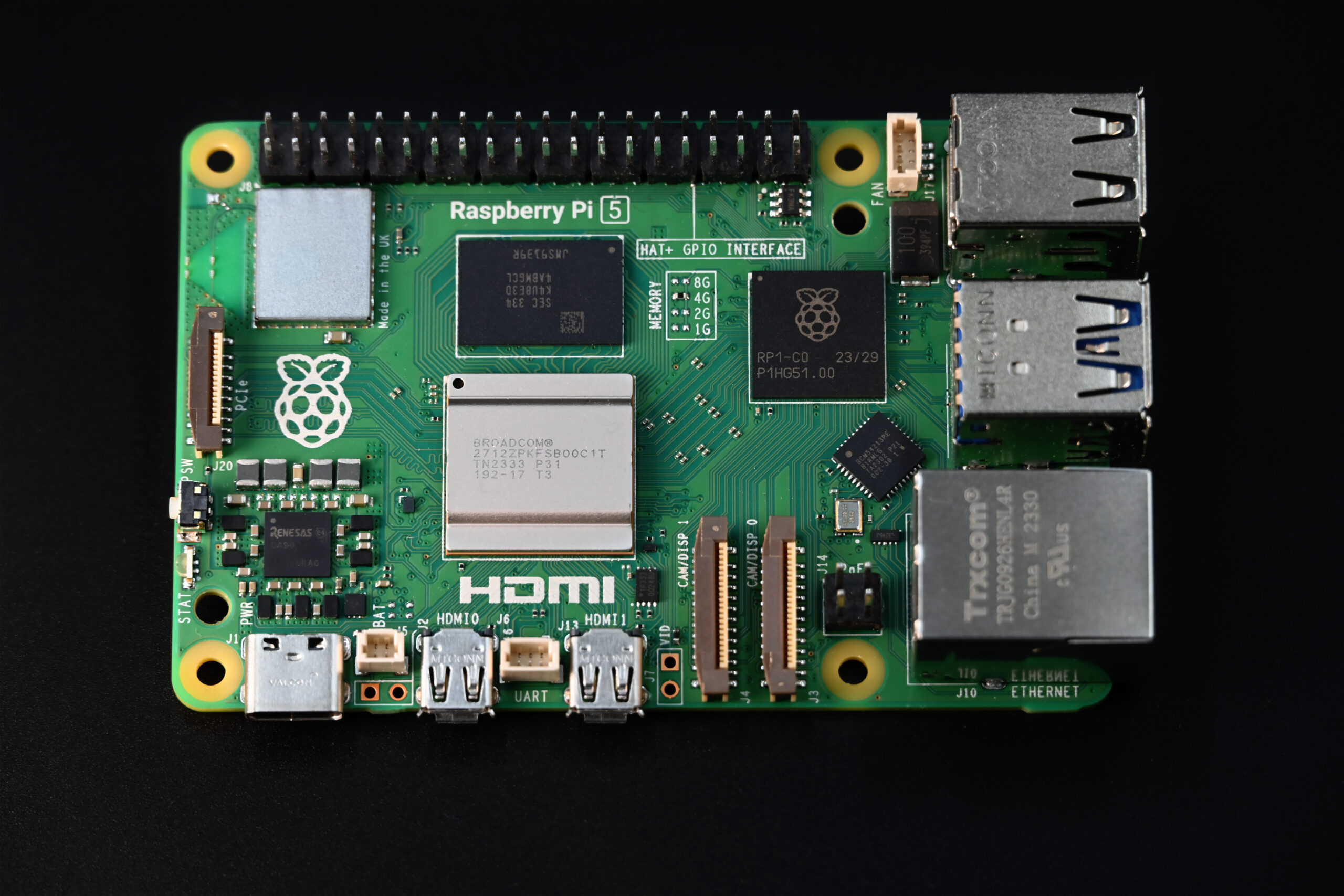

Two narrow Raspberry Pi USB-storage workarounds
The release adds device-specific workarounds for two ASMedia USB-to-storage bridges. In an Argon ONE M.2 case report, the bridge identified as 174c:1156 could hang in UAS mode during heavier writes and freeze the system. HAOS now directs that USB ID through the older usb-storage path instead.
A second merged workaround covers the ASMedia ASM235CM bridge in the UGREEN 70499 CM300 enclosure, USB ID 174c:235c. The reported 18.3 regression prevented a Raspberry Pi 4 from recognising or booting from that enclosure; this device also skips UAS in the release candidate.
These are precise compatibility quirks, not a general Raspberry Pi SSD speed upgrade and not a change to every Argon or UGREEN product. Owners should compare the USB vendor/product ID rather than relying on the brand name alone. Our Raspberry Pi 5 versus mini PC guide covers the broader storage and hardware trade-offs.
Realtek VLAN timeouts get a kernel-level correction
HAOS 18.4 RC1 also carries an upstream kernel fix for transmit-queue timeouts on Realtek adapters in a specific configuration: VLAN interfaces with reorder_hdr disabled while checksum or TCP segmentation offload is in use. The patch restores eligible VLAN-tag handling through hardware metadata.
Home Assistant Supervisor already worked around the problem by enabling reorder_hdr. The kernel correction matters because it also covers VLAN interfaces configured outside Supervisor and removes dependence on that setting. The release applies the patch to Raspberry Pi and Home Assistant YellowAliExpress price builds, as well as generic x86-64, generic AArch64, ODROID and Khadas targets. This is not a general Ethernet or Wi-Fi reliability fix.
Release images gain verifiable signatures
Each download now comes with a SHA256SUMS manifest and a SHA256SUMS.sigstore.json signature bundle. A SHA-256 comparison can reveal a corrupted or altered download; checking the signed manifest with Cosign can additionally confirm that the manifest came through the project’s signing workflow.
This is useful for manual installations and recovery media, where the image is handled outside Home Assistant’s normal update path. It does not replace backups. Before testing an operating-system release candidate, keep a current copy somewhere other than the boot drive; our Home Assistant NAS backup guide explains that separation.
Other platform changes and who should install it
The release updates Docker to 29.8.2, containerd to 2.3.6 and Buildroot to 2025.02.18, moves OS Agent to 1.14.0 and adds firmware for RTL8761CU Bluetooth controllers. Several platforms move to Linux 6.18.57, while Raspberry Pi and Home Assistant YellowAliExpress price receive a U-Boot change intended to refill boot attempts before slot selection.
The project describes 18.4 RC1 as a small bug-fix and security release and encourages upgrades, but GitHub still marks it as a pre-release. Users affected by one of the named 18.3 regressions have a clear reason to test it after making a recoverable backup. For an otherwise stable production installation, waiting for the final 18.4 release avoids taking release-candidate risk. We have not independently tested this build.