
If you are building a local smart home with Home Assistant and want to use Z-Wave devices, the Home Assistant Connect ZWA-2 is the official adapter Home Assistant recommends. It is an 800 series Z-Wave adapter developed specifically for Home Assistant, and Home Assistant positions it as the easiest and best-supported way to add Z-Wave to your setup.
The basic job is simple: plug the adapter into your Home Assistant system, run the Z-Wave JS stack, and you can start adding Z-Wave devices like locks, sensors, switches, relays, thermostats, and other nodes to a local mesh network. Home Assistant’s Z-Wave integration docs describe the core pieces of a Z-Wave setup as the adapter, the Z-Wave JS server, the integration itself, and your end devices.
What is Home Assistant Connect ZWA-2
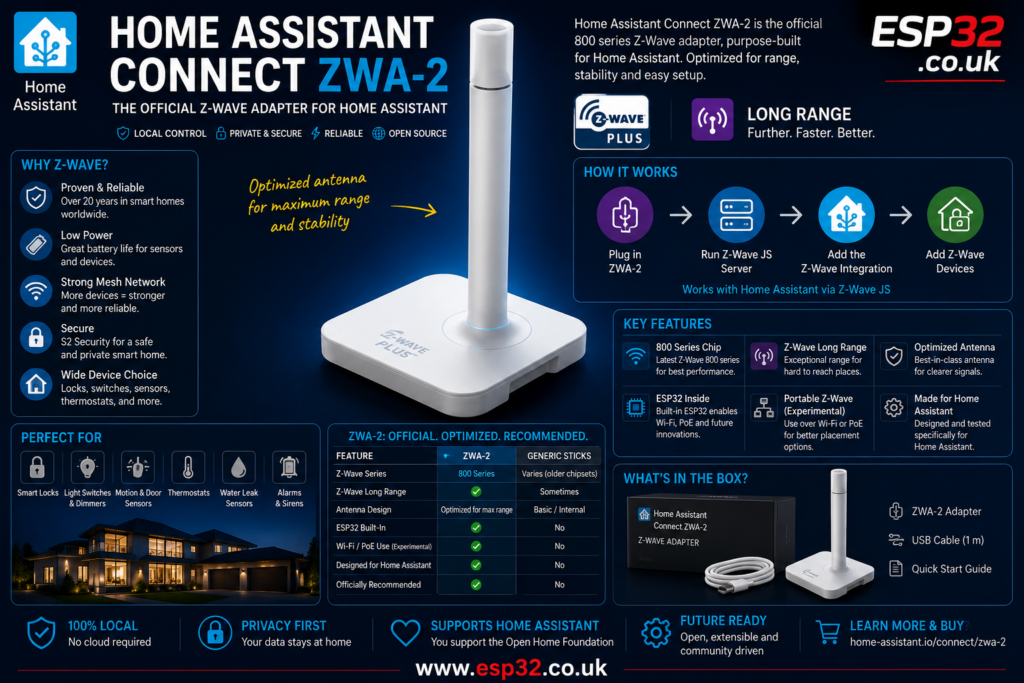
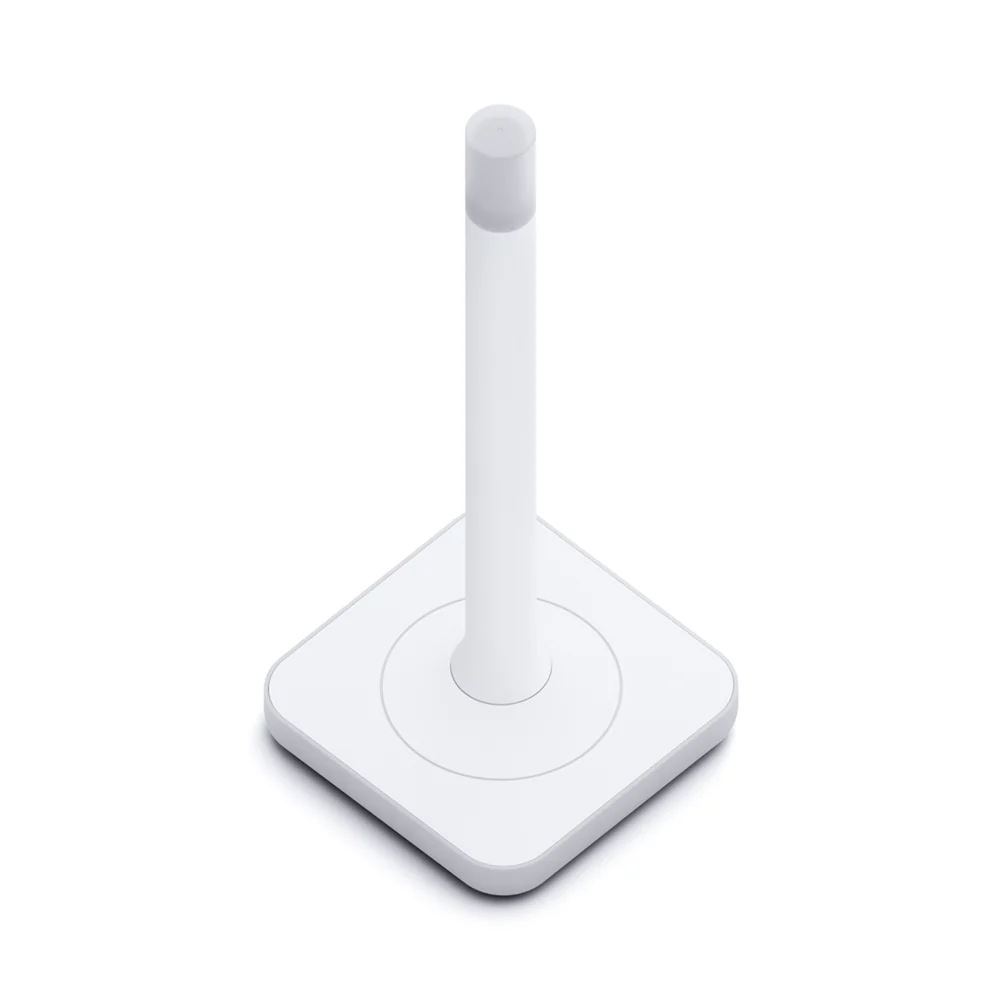
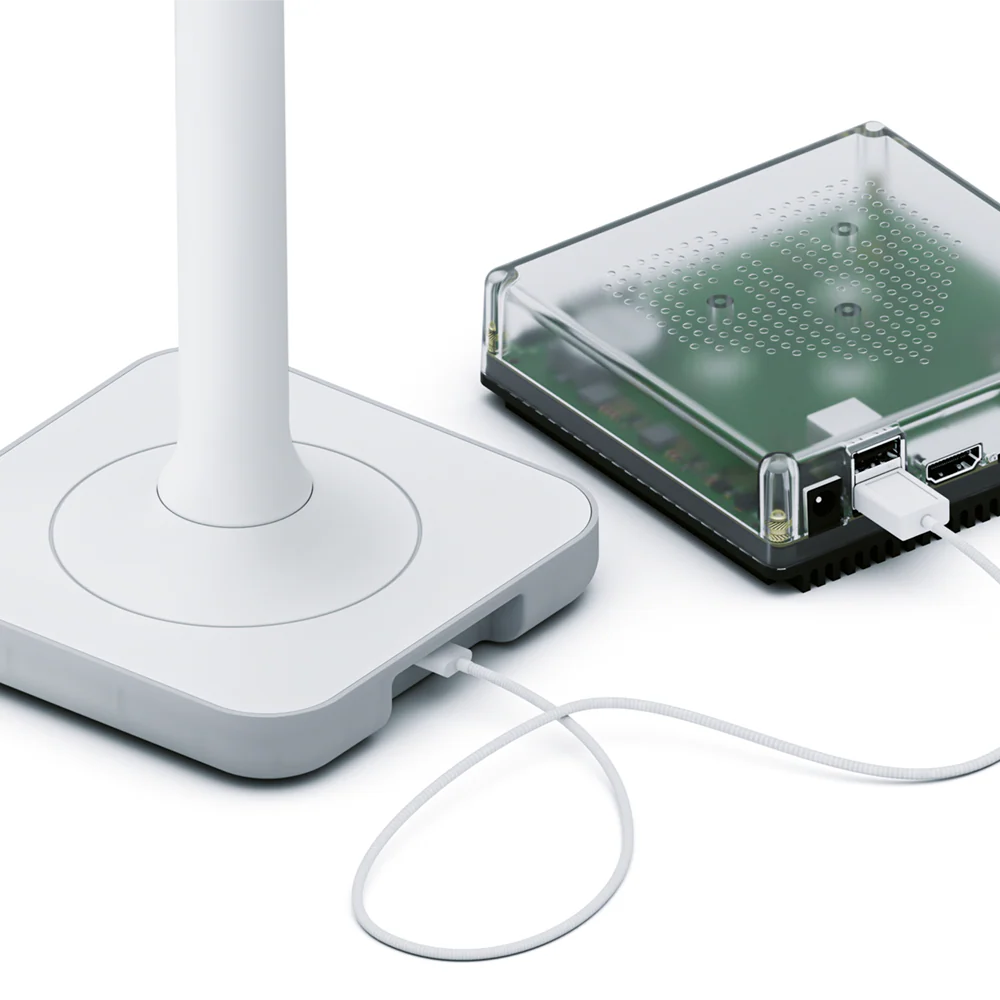
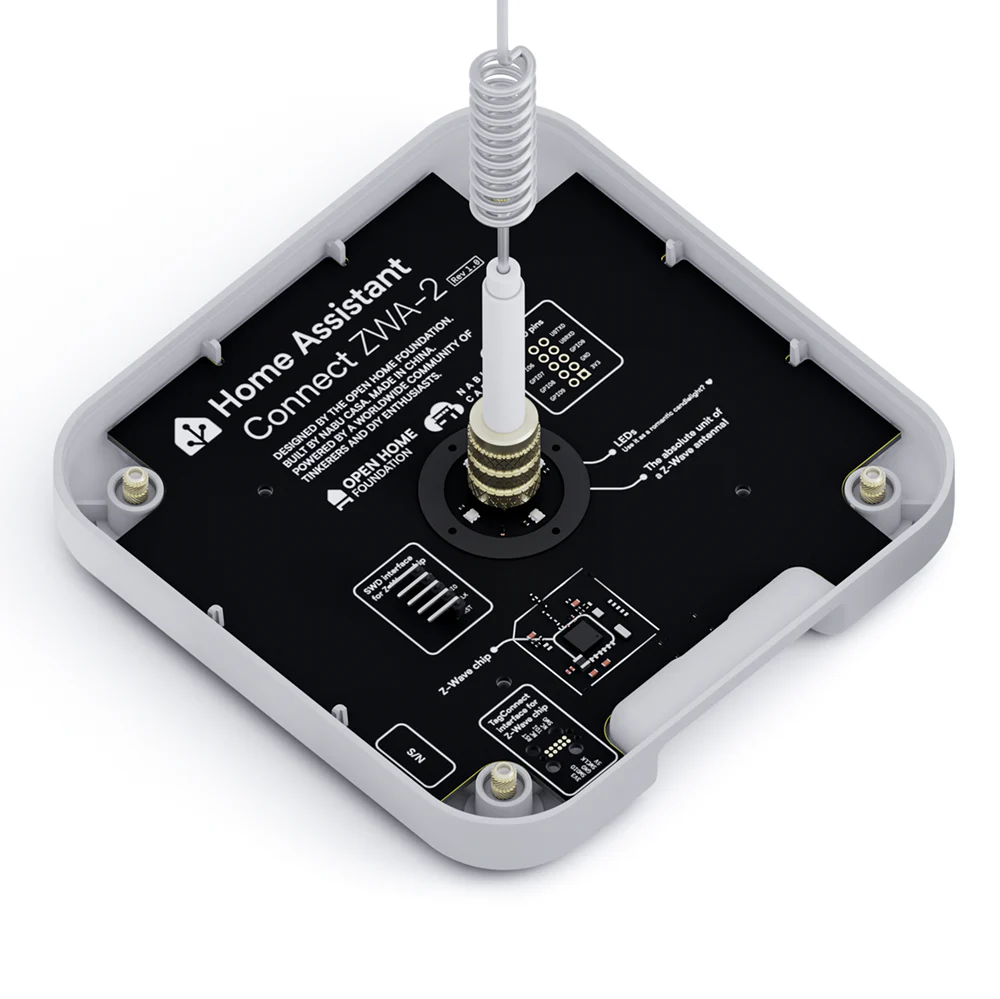
Home Assistant Connect ZWA-2 is Nabu Casa’s official USB Z-Wave adapter for Home Assistant. The product page describes it as purpose-built for home use, with an optimized antenna and a design intended to blend into the home rather than look like another generic USB dongle hanging off a server. Home Assistant also says it has the most optimized antenna for Z-Wave, aimed at improving signal clarity, responsiveness, and stability.
On the official Z-Wave adapter documentation page, Home Assistant calls ZWA-2 its recommended Z-Wave adapter. That is the important bit. This is not just “one supported stick among many.” It is the one Home Assistant explicitly recommends first.
What it is for
ZWA-2 is for anyone who wants to run a local Z-Wave network in Home Assistant without depending on a vendor hub. That includes things like:
- door and window sensors
- smart locks
- motion sensors
- light switches and dimmers
- relays
- thermostats
- sirens
- water leak sensors
Home Assistant’s Z-Wave docs do not oversell it. They simply define it as the adapter piece of a Z-Wave network, used with Z-Wave JS and the Home Assistant integration. That is the right framing, because the adapter is not the whole solution by itself. It is the radio/controller that lets Home Assistant talk to the Z-Wave mesh.
Why Z-Wave still matters
Z-Wave is not as trendy as Thread or Matter in marketing terms, but it still matters because it is deeply established in home automation and particularly common in products like locks, wall switches, dimmers, sensors, and security-focused devices. Home Assistant’s August 2025 announcement for ZWA-2 explicitly argues that people should take another look at Z-Wave, especially because modern Z-Wave Long Range brings better reach and more responsive, battery-efficient devices.
That is really the pitch: not “Z-Wave is fashionable again,” but “Z-Wave is still very useful, and the newer hardware and long-range support make it worth taking seriously.”
Z-Wave Long Range support
One of the biggest selling points of ZWA-2 is support for Z-Wave Long Range. Home Assistant says ZWA-2 supports Z-Wave Long Range and describes it as offering exceptional reach together with more responsive, battery-efficient devices.
That matters because Z-Wave has traditionally been strong for reliable home automation, but long-range capability makes it much more interesting for awkward installations, detached buildings, edge-of-property sensors, and spots where conventional mesh coverage is harder to achieve. Home Assistant’s own blog explicitly frames ZWA-2 as the adapter that may finally reach those difficult locations in and around the home.
Why ZWA-2 is different from random Z-Wave USB sticks
The official Home Assistant materials emphasize three things:
- it is an 800 series Z-Wave adapter
- it is specifically developed to work with Home Assistant
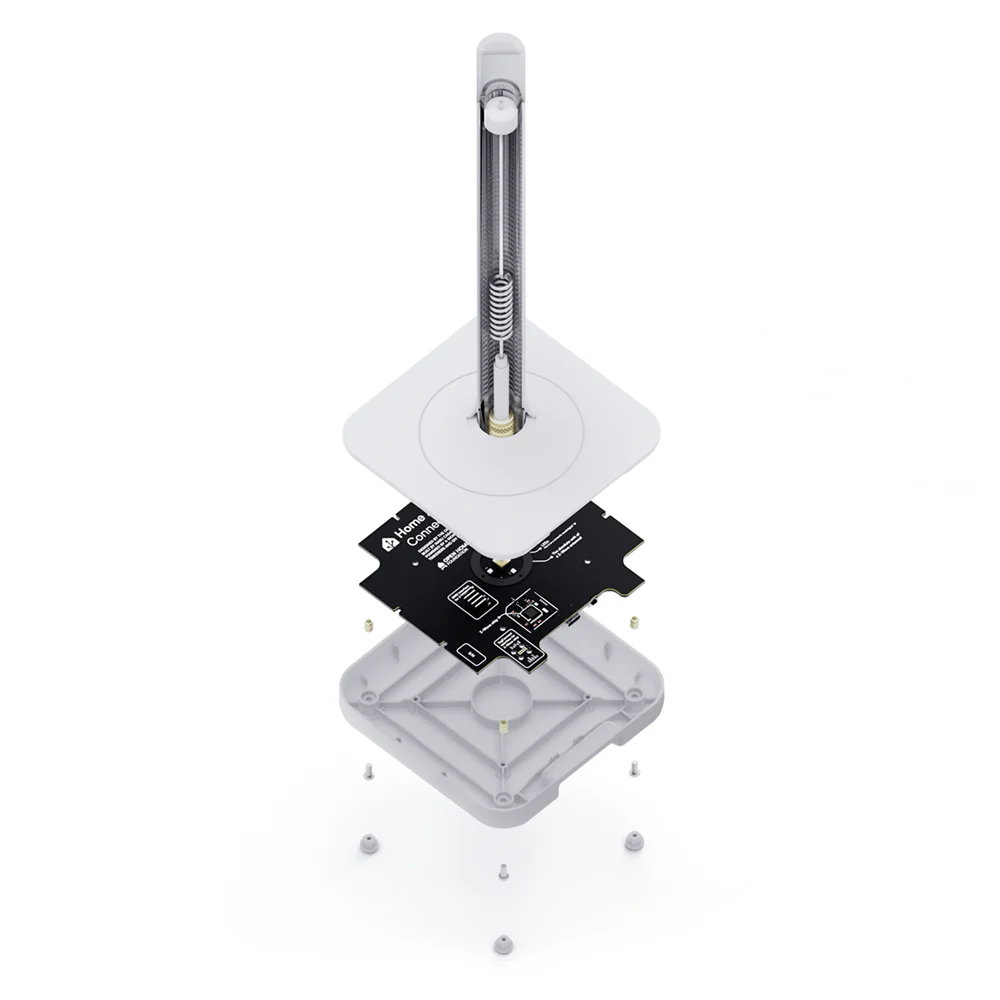
- it is designed with an optimized antenna and home-friendly form factor rather than the usual tiny stick approach
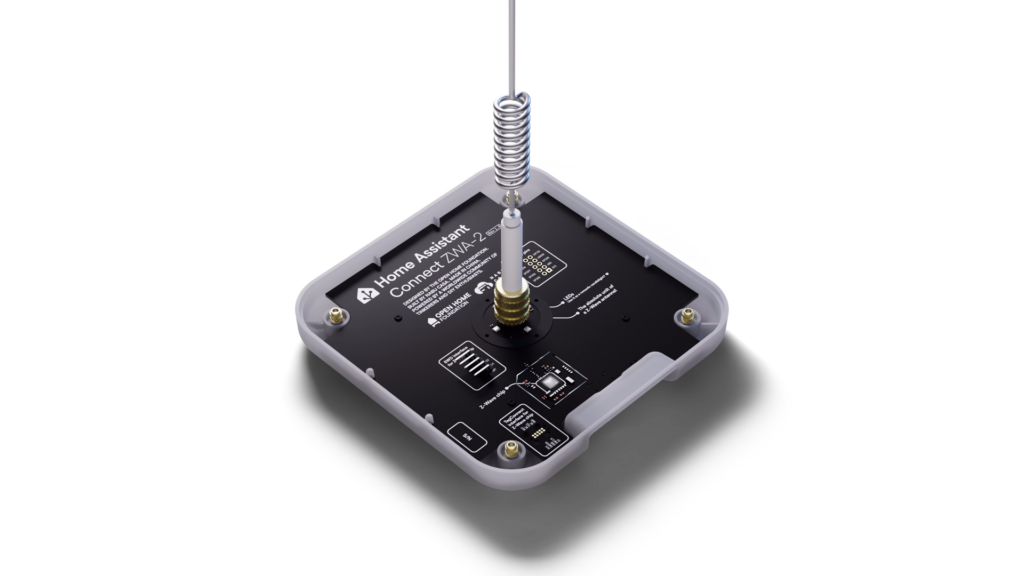
That last point is more important than it sounds. Radio adapters often suffer when they are shoved directly into noisy USB environments, behind metal cases, or in bad physical locations. Home Assistant leaned hard into antenna optimization and product design here because radio performance is not just about the chipset. It is also about placement and RF design.
Setup in Home Assistant
Home Assistant’s official Z-Wave integration docs say a Z-Wave network in Home Assistant consists of:
- a compatible adapter such as ZWA-2
- a Z-Wave server such as Z-Wave JS
- the Home Assistant Z-Wave integration
- your Z-Wave end devices
In other words, ZWA-2 is not something you just plug in and magically get a full network from. You still use the Z-Wave JS software layer and the Home Assistant integration. The value of ZWA-2 is that it is the officially recommended hardware at the radio/controller level.
Portable Z-Wave over Wi-Fi or PoE
This is where ZWA-2 gets more interesting than a normal USB stick.
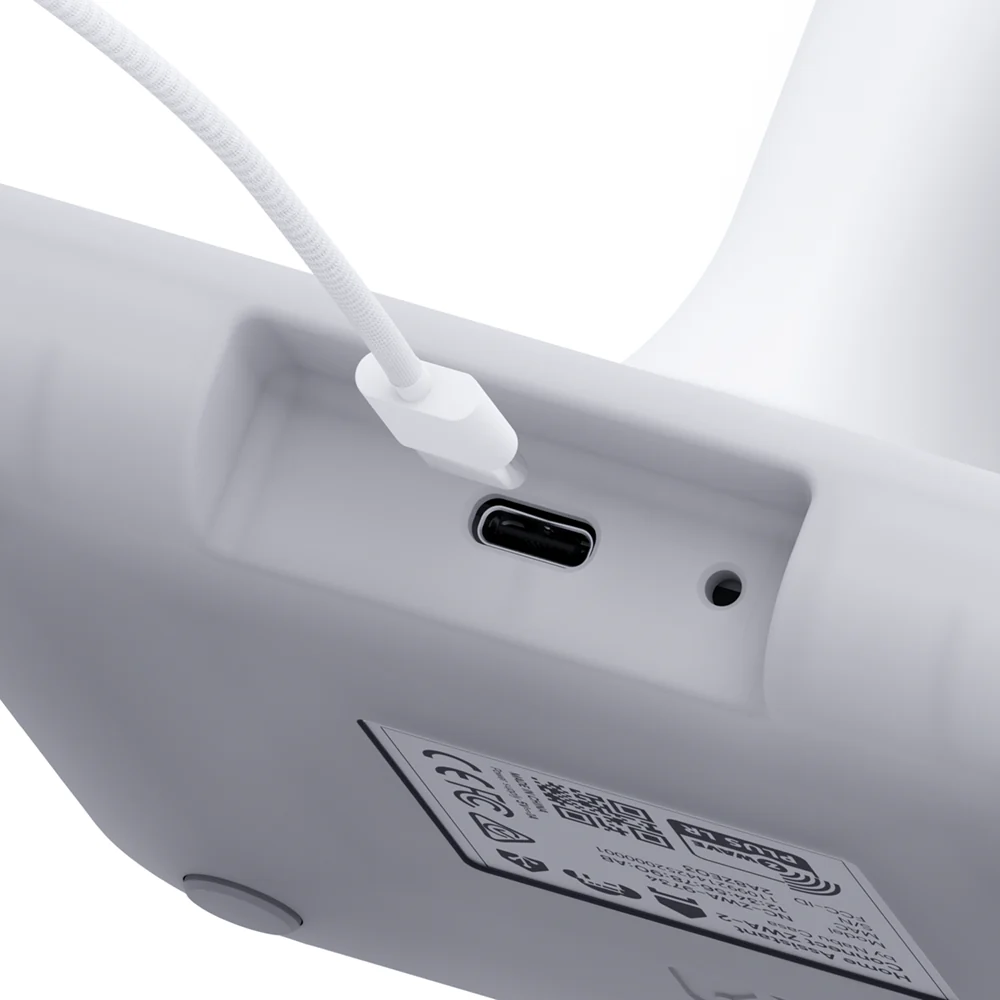
In October 2025, Home Assistant introduced an experimental feature called Portable Z-Wave, which lets ZWA-2 be used over its built-in Wi-Fi or via PoE instead of only direct USB. Home Assistant says this was made possible by building an ESP32 into the ZWA-2 and adding Z-Wave support to ESPHome, allowing Z-Wave JS to communicate with the adapter via ESPHome more reliably than ordinary serial-over-IP.
That means ZWA-2 can potentially be placed somewhere much better for radio performance, instead of being forced to sit next to the machine running Home Assistant. Home Assistant also notes that this is experimental and that network quality still matters, but the core point is big: you are not limited to USB-only placement anymore if you choose to use the experimental portable mode.
Does it only work with Home Assistant
Home Assistant’s official positioning is obviously centered on Home Assistant, but the October 2025 blog post says the Portable Z-Wave work is not limited to Home Assistant. It was made to work directly with Z-Wave JS, including standalone Z-Wave JS setups, as long as the appropriate version is used.
For a Home Assistant site article, though, the right framing is still simple: this is the official adapter for Home Assistant, and that is where it has the clearest support path.
Who should buy it
ZWA-2 makes the most sense for:
- people starting a new Z-Wave network in Home Assistant
- people replacing an older or weaker Z-Wave USB stick
- users who want official Home Assistant-recommended hardware
- people interested in Z-Wave Long Range
- users who want better placement options through experimental Wi-Fi or PoE use
It is especially attractive if your smart home leans toward locks, in-wall switches, sensors, and security-oriented devices, because that is where Z-Wave has historically stayed strong.
Who probably does not need it
It is a weaker fit if:
- you do not use Z-Wave devices at all
- you are already fully invested in Zigbee or Thread and are happy there
- you expect one adapter to cover Zigbee, Thread, and Z-Wave, which this does not
- you already have a stable, modern Z-Wave 800 series setup and see no reason to change
This sounds obvious, but people still do it: they buy radio hardware first and then invent a reason afterwards.
ZWA-2 vs generic Z-Wave adapters
Home Assistant’s docs list other supported 800 series adapters, including the HomeSeer SmartStick G8 and Zooz 800 Series Z-Wave Long Range stick, but they still explicitly mark Home Assistant Connect ZWA-2 as the recommended adapter.
That tells you the practical editorial angle:
- yes, other adapters work
- but ZWA-2 is the official first-choice option for Home Assistant users
That is probably the most honest way to present it without pretending the ecosystem contains only one device.
Home Assistant Connect ZWA-2 at a glance
If you want the short version:
- it is Home Assistant’s official recommended Z-Wave adapter
- it is an 800 series controller
- it supports Z-Wave Long Range
- it is designed for better antenna performance and stability
- it works with Home Assistant’s Z-Wave JS based stack
- it can also do experimental Portable Z-Wave over Wi-Fi or PoE thanks to its built-in ESP32 and ESPHome-based approach
Final thoughts
Home Assistant Connect ZWA-2 is one of those products that is useful precisely because it is not trying to be everything. It is a focused, official, Z-Wave-first adapter for people who want a clean local Z-Wave setup in Home Assistant. Its strongest angles are the optimized antenna, 800 series platform, Z-Wave Long Range support, and the unusually interesting experimental option to move it off USB and use it over Wi-Fi or PoE.
The blunt summary is this: if you want Z-Wave in Home Assistant and you want the official supported route, ZWA-2 is the obvious adapter to look at first.