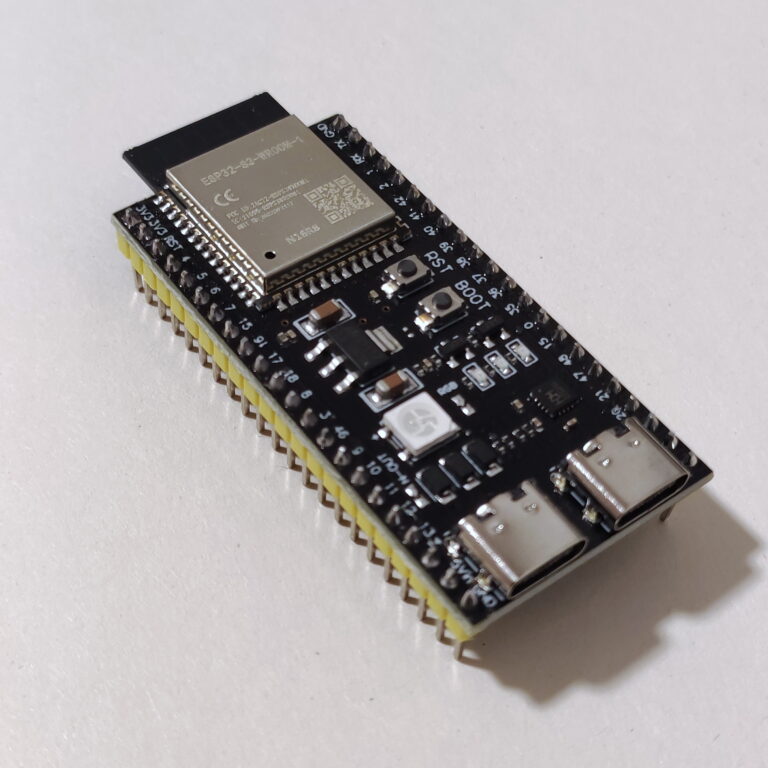
M5Stack has launched PaperDIY, a pair of ESP32-S3AliExpress price development kits with a 4.7-inch grayscale e-paper displayAliExpress price, starting at US$25. The company dates both models to 16 October 2026. There is a user-assembled version for custom builds and a US$29.90 Complete Kit with a factory-fitted 3D-printed enclosure.
Quick summary
- Shared hardware: 960 × 540 e-paper display, 16 MB flash, 8 MB PSRAM, microSD and a 140 mAh battery.
- Two formats: Assembly Kit K159 or enclosed Complete Kit K159-B.
- Availability checked 18 October: the official store lists the Assembly Kit in stock; the Complete Kit is out of stock.
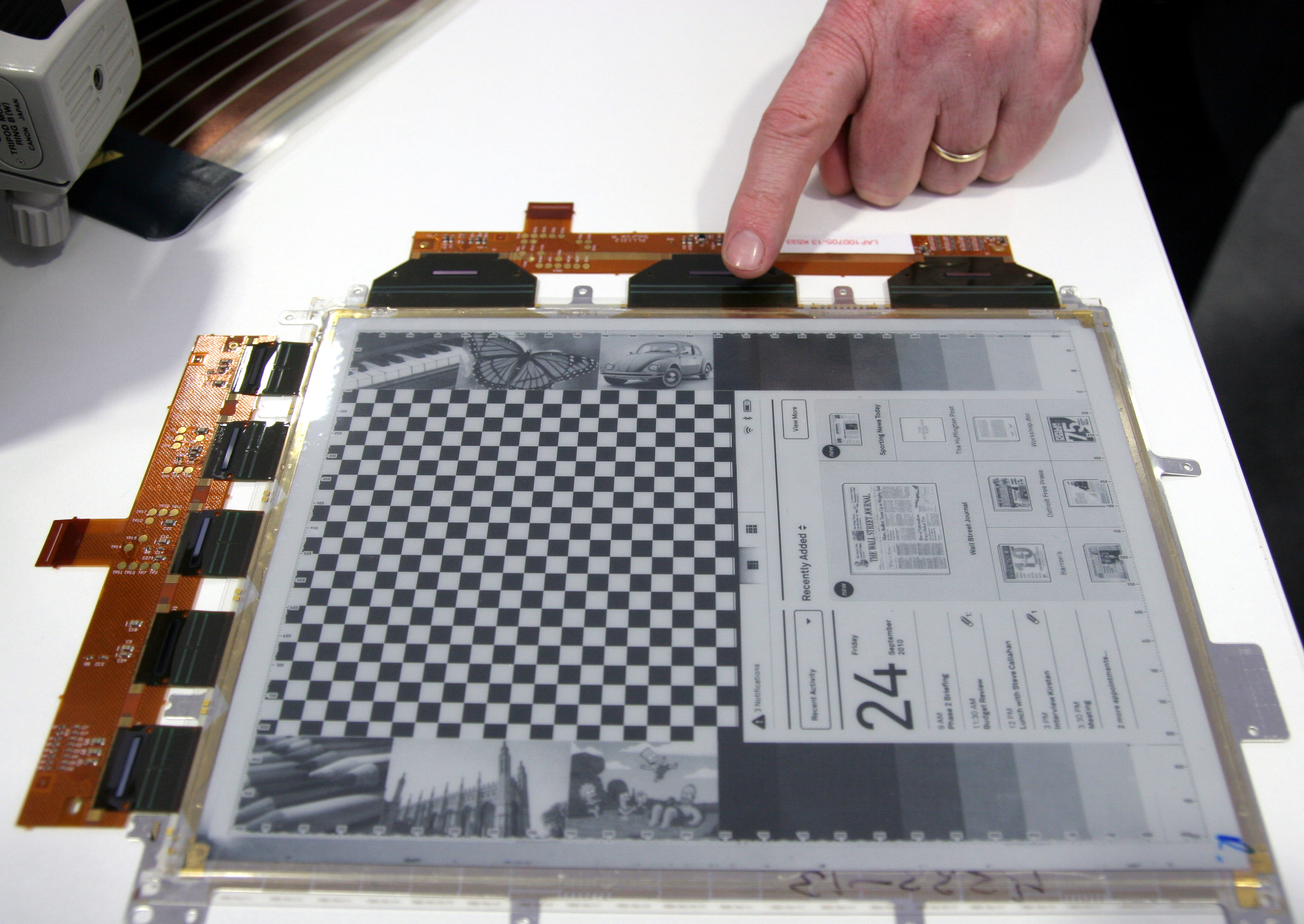
The same core hardware, with a different assembly choice
PaperDIY uses an ESP32-S3AliExpress price-WROOM-1-N16R8 module, rather than introducing a new Espressif chip. Both kits combine the controller, display, battery and acrylic screen pressure plate. The Assembly Kit leaves hardware assembly to the buyer; the Complete Kit arrives assembled in a PLA enclosure, with downloadable enclosure models for reprinting or modification.
| Feature | PaperDIY specification |
|---|---|
| Controller | ESP32-S3AliExpress price module; dual-core Xtensa LX7, up to 240 MHz |
| Memory | 16 MB flash and 8 MB Octal PSRAM |
| Display | 4.7-inch ED047TC1, 960 × 540 pixels, 16 grayscale levels |
| Connectivity and storage | 2.4 GHz Wi-Fi; microSD slot; USB-C |
| Power | Included 140 mAh battery; 5 V USB-C or power pads |
| Controls and expansion | Two user buttons, power button and two 12-pin, 0.5 mm-pitch FPC connectors |
This is not simply a renamed PaperS3, nor a PaperMono revision. Do not transfer their touchscreen, peripheral or pinout assumptions to PaperDIY. The new kit’s documented controls are physical buttons, while its FPC connectors require checking the specific signal mapping before attaching hardware.
Arduino support is documented, not just inferred
M5Stack publishes a dedicated M5PaperDIY board profile and Arduino examples. Its display example specifies M5Stack board package 3.3.10 or later, M5Unified 0.2.26 or later and M5GFX 0.2.33 or later. Those are useful starting requirements: choosing a generic ESP32-S3AliExpress price profile because the underlying chip matches is not the documented setup.
The official ESP-IDF factory-demo repository also covers battery-voltage monitoring, Wi-Fi scanning, microSD access and button feedback, and names ESP-IDF 5.5.1 as its toolchain. The material checked documents Arduino and ESP-IDF, not a ready-made ESPHome configuration. A Home Assistant-connected dashboard would therefore still need its firmware and data path implemented and verified.
A small battery calls for careful firmware
For makers, the likely appeal is an inexpensive platform for a slowly updated status panel, room sign or information display. That is an application opportunity, not a tested claim about refresh speed or battery endurance.
The included 140 mAh battery is particularly important. M5Stack lists operating consumption of 40.95 mA at 4.2 V, with peaks up to 161 mA; these are not deep-sleep figures. Wi-Fi activity, display updates and power-management behaviour will determine practical runtime. No battery-life benchmark was verified, so “e-paper” should not be read as a promise of weeks between charges.
There is also a concrete mechanical warning for the Complete Kit: M5Stack requires M2 mounting screws with a thread length below 3 mm. Longer screws can press into and damage the screen. Check that before adapting a wall mount or custom enclosure.
Price and availability
On 18 October, M5Stack’s global store lists the Assembly Kit at US$25 and the Complete Kit at US$29.90. The former is listed in stock and the latter out of stock. These are store listings, not a confirmed UK or EU tax-inclusive delivered price; shipping and any destination charges need checking separately.
PaperDIY’s proposition is straightforward: a relatively low entry price for an integrated e-paper experiment, with the choice to build around the bare kit or use an enclosure. The remaining work is the application—not discovering that a similarly named board’s firmware or wiring does not fit.
Sources
- M5Stack release history — both PaperDIY kits dated 16 October 2026
- PaperDIY Assembly Kit documentation, specifications and pin mappings
- PaperDIY Complete Kit documentation and mounting-screw warning
- Official Arduino display example and minimum software versions
- M5Stack ESP-IDF factory-demo repository
- Assembly Kit official store listing and Complete Kit listing — prices and availability checked 18 October 2026